

We investigate to make a more sustainable world…
PTG FOCUSES
Development of advanced computational models and simulation techniques for the study and understanding of complex systems in propulsion and power generation systems. Its activities encompass from high-fidelity physical modeling and data-driven methods to numerical methods and High-Performance Computing (HPC) in Exascale computations.
PTG aligns with European strategies for decarbonization in the aviation and energy sectors.
Fundamentals of
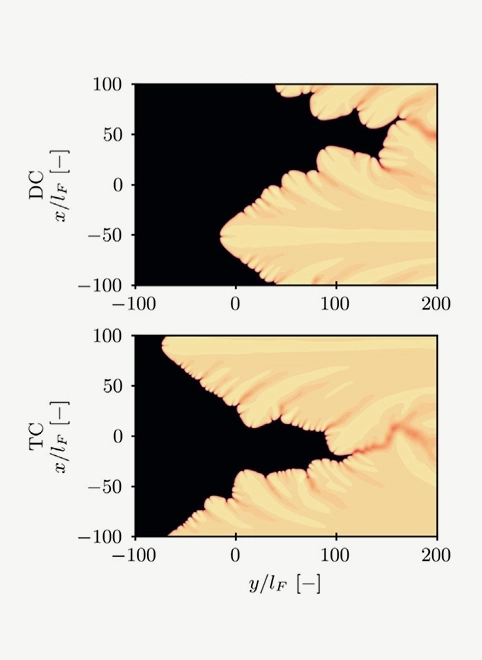
Hydrogen combustion
Hydrogen combustion
Development of complex physics models for simulation and understanding of hydrogen flames
Development of complex physics models for simulation and understanding of hydrogen flames
Spray flames
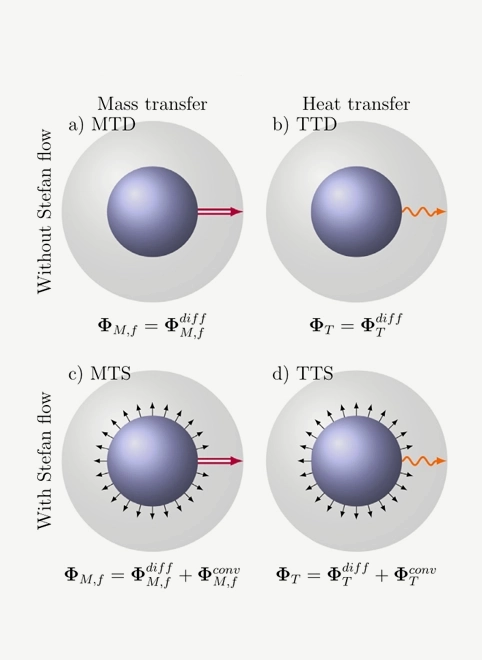
Development of computational framework to simulate multiphysics phenomena in sprays with Eulerian-Lagrangian approaches
Development of complex physics models for simulation and understanding of hydrogen flames

High-fidelity simulations
of combustion systems
of combustion systems
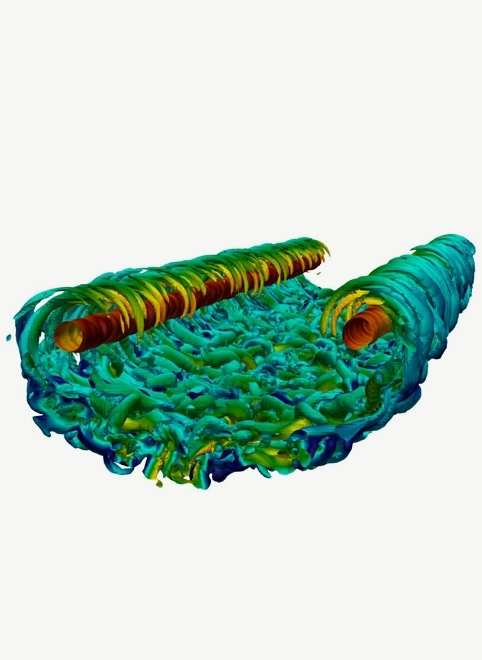
Computations of combustion system using Computational Fluid Dynamics (CFD) with Large Eddies Simulation (LES) approaches and combustion models based on Finite Rate and Tabulated Chemistry.
Development of complex physics models for simulation and understanding of hydrogen flames
HPC and numerical methods for
reactive flows
reactive flows
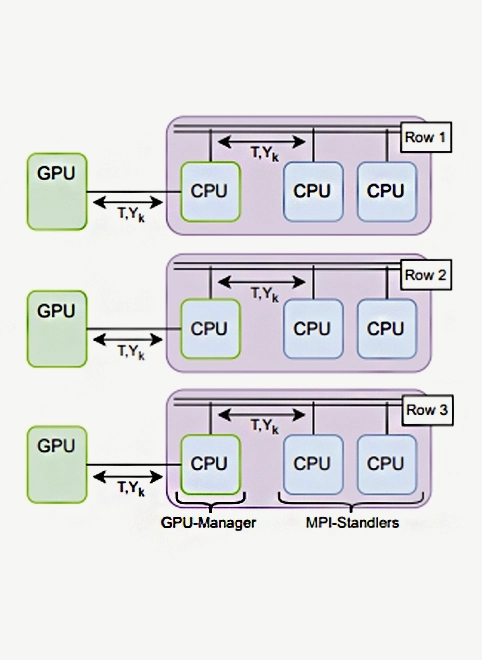
Development and implementation of numerical methods and computational strategies for optimizing CFD computations.
Development of complex physics models for simulation and understanding of hydrogen flames
Artificial intelligence
and applications
and applications
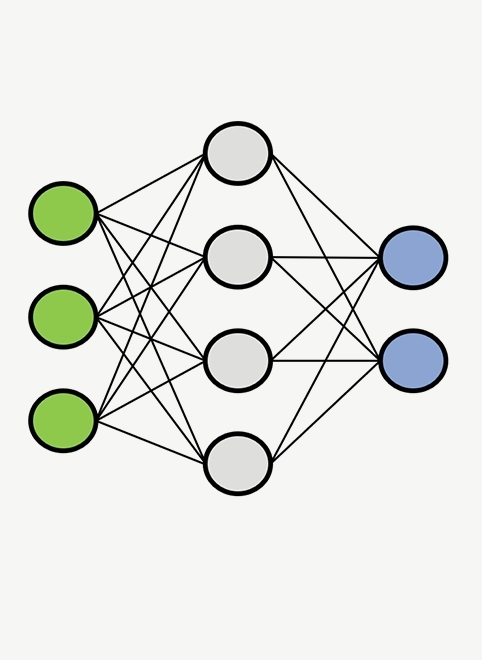
Leveraging of AI, Machine Learning and Data-Driven methods towards decarbonisation of propulsion and energy.
Development of complex physics models for simulation and understanding of hydrogen flames
Engine exhaust characterization
and contrails formation
and contrails formation
Studies based on passive scalar transport and interaction with aerodynamic structures from engine and aircraft wakes
Development of complex physics models for simulation and understanding of hydrogen flames
Electromobility and
Power-to-X applications
Power-to-X applications
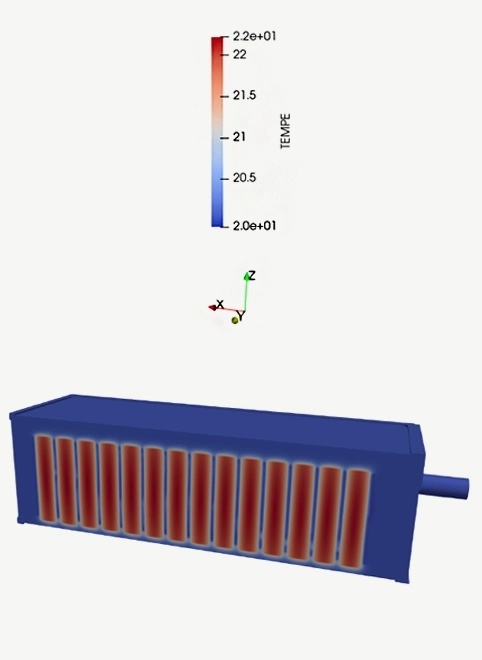
Behaviour of storage systems for hybrid and electric transportation systems.
Development of complex physics models for simulation and understanding of hydrogen flames